Last week, Zillow quietly removed climate risk scores from its listings after pushback from real estate professionals and associations who feared it was scaring off buyers. One broker even commented online that Zillow wasn’t qualified to provide these assessments, suggesting FEMA and insurance execs are better equipped, and that Realtors should avoid advising clients on topics outside their expertise.
I couldn’t disagree more.
Zillow has become a popular target among agents, especially with recent lawsuits. But to me, those lawsuits are less about Zillow doing wrong, and more about Realtors being uncomfortable with the transparency consumers have come to expect.
Let’s set climate risk aside and talk about school ratings for a moment. Scores from sites like Niche or GreatSchools are imperfect, often misleading, and they can absolutely depress property values. But they’re also one of the few available subjective tools buyers have when assessing a location. Rather than ignore those scores, we educate ourselves. We tell clients: tour the school, meet the principal, talk to teachers. We don’t dismiss the data. We provide context.
In 2009, a Nest client moving from New England demanded a septic inspection including digging up the distribution box, something rare at the time. (We had never seen this inspection before.) But, she uncovered a failed distribution box, which the Seller then repaired. Since that sale, we’ve done hundreds of those inspections, saving buyers tens of thousands of dollars. Has there been a cost to Sellers? Yes. But our job is to protect clients from risk; not just to sell houses.
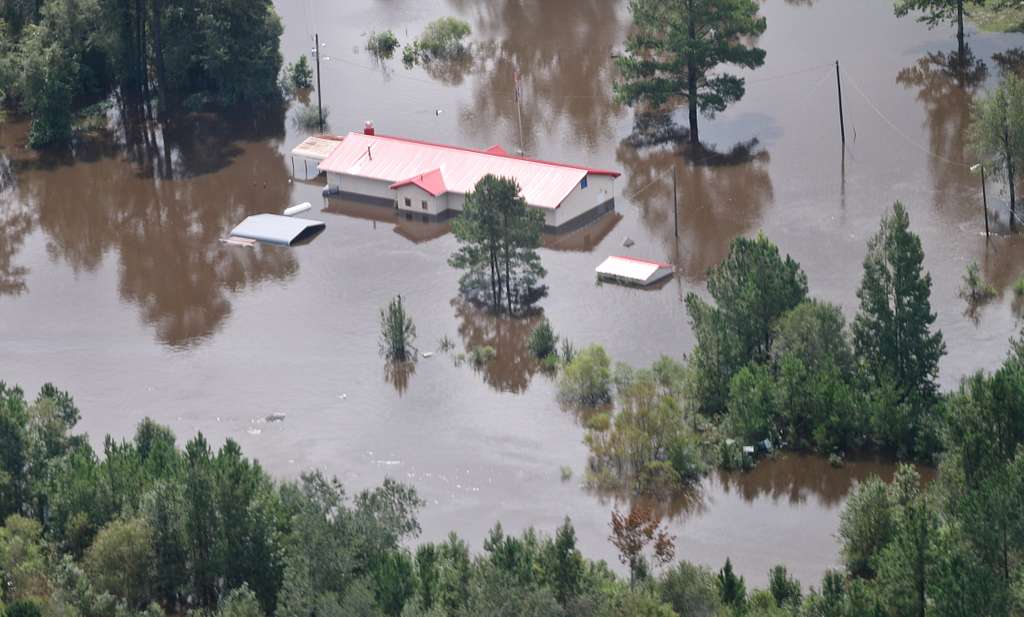
Now, back to Climate Risk scores. These scores were calculated by FirstStreet.org. Zillow wasn’t making flood predictions; it was republishing projected climate risk based on changing patterns, not historic data. Consider Hurricane Helene in 2024. FEMA showed just 2% (or 2,100) of Asheville homes in flood zones; FirstStreet showed nearly 20,000 properties at risk. The actual flooding matched FirstStreet’s predictions far more than FEMA’s maps. That’s critical information buyers deserve to see.
Insurance premiums in North Carolina rose dramatically (up 19% in 2023 and 40% in 2024) before Helene. And let’s not forget the viral images of homes collapsing into the sea on the Outer Banks. Climate risk is real, it’s rising, and it’s reshaping housing markets. Why would we, as Realtors, want to keep that information from our clients?
Yes, some sellers may see their property values fall as buyers gain more risk awareness. But our job is not to protect prices, it is to protect people. Just like test scores and septic systems, climate risk needs to be part of the conversation.
Blocking access to information doesn’t remove the risk. It just keeps our clients in the dark. And that’s not what trusted advisors do.
-Keith Davis
Header Photo Used under CC - PDM 1.0