Manchester
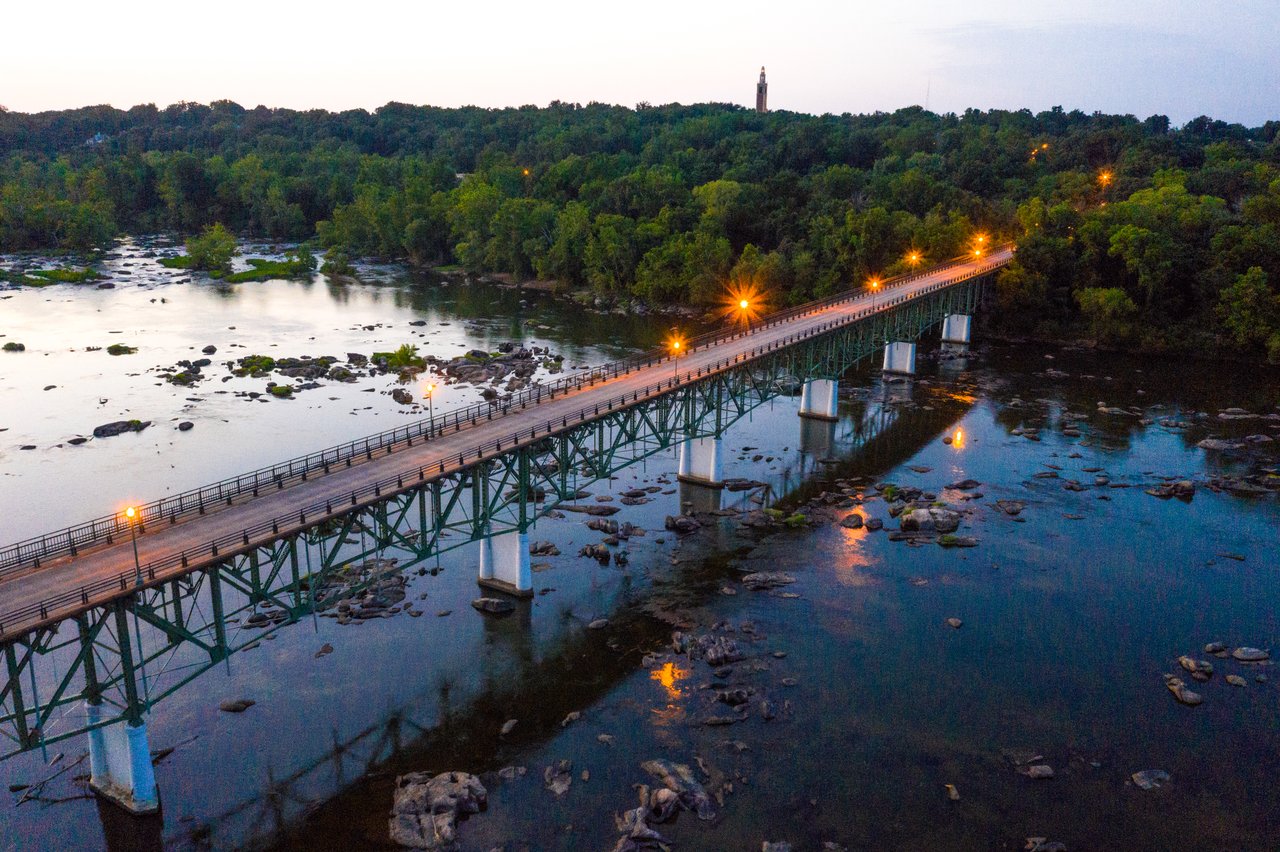
Manchester is one of Richmond’s most storied neighborhoods, with a history that dates back to colonial times—once an independent city and thriving industrial port before its consolidation with Richmond in 1910. Over the past decade, it has undergone remarkable transformation: old factories, warehouses, and brick commercial buildings have been revitalized into stylish lofts, rowhomes, and mid-rise condos, blending historic charm with modern urban design. Architecturally, you’ll find a diverse mix—Italianate and Queen Anne homes in the residential streets around Bainbridge, Porter, and Perry; bold industrial and neo-industrial brick & metal façades nearer the riverfront or along Hull Street; adaptive reuse lofts; and newer development infill.
Manchester boasts outstanding access to Richmond’s amenities. Along Hull Street and in the riverfront district, there are growing dining and brewing scenes, with arts and event spaces such as Plant Zero and numerous galleries contributing to a vibrant cultural life. For outdoor lovers, the James River Park System’s trails—including the Buttermilk Trail—and green riverbank spaces offer hiking, biking, kayaking, and scenic views of downtown. Shopping and casual neighborhood conveniences are growing, though residents often cross into nearby districts for full-scale retail. Healthcare is close by via major city hospitals and specialty clinics within Richmond’s Southside and downtown regions.
School options are mixed but improving: public schools serving Manchester include Blackwell Elementary, Martin Luther King Jr. Middle, and Armstrong High, all well embedded in the neighborhood. Private school options are also accessible in the greater Richmond area for families seeking alternatives. For buyers seeking historic texture, river proximity, walkability, skyline views, and an energetic urban-renewal vibe, Manchester offers a rare and compelling package.